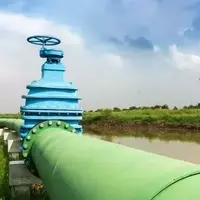
The Hidden Guardians of Public Health: An In-Depth Analysis of Modern Wastewater Treatment Systems
The municipal wastewater treatment system stands as one of the most critical, yet frequently overlooked, infrastructures of the modern age, functioning as a sophisticated biological and chemical barrier that protects our natural water bodies from the overwhelming tide of urban waste. Far from being a simple disposal mechanism, these vast engineering complexes represent a profound commitment to environmental stewardship and public health, operating twenty-four hours a day to transform hazardous sewage into high-quality effluent that can be safely returned to the environment. This multi-stage process is an intricate dance of microbiology and physics, where billions of beneficial microorganisms are harnessed to consume organic pollutants, while advanced filtration and disinfection technologies neutralize pathogens that have plagued human civilizations for millennia. In an era of increasing water scarcity and ecological fragility, the role of the wastewater treatment plant has evolved from a mere sanitation facility into a "resource recovery center," where precious nutrients are reclaimed for agriculture and treated water is recycled for industrial or even potable use. By understanding the hidden complexity of these systems—from the primary mechanical screening to the secondary biological oxidation and tertiary advanced purification—we gain a deeper appreciation for the invisible labor that prevents catastrophic environmental degradation and ensures the sustainability of our global water cycle for future generations.
The Preliminary Stage: Protection and Preparation
The journey of wastewater begins long before it reaches the treatment plant, traveling through miles of subterranean gravity sewers and lift stations. Upon arrival, the first line of defense is Preliminary Treatment. This stage is purely mechanical and designed to protect the plant's sensitive machinery from damage.
Heavy screens and grit chambers remove "non-flushable" items such as rags, plastics, and sand. If these materials were allowed to pass, they would clog pumps and settle in tanks, reducing the overall efficiency of the system. This stage ensures that the incoming flow is homogenous and ready for the complex biological processes that follow.
Primary Treatment: The Power of Gravity
Once the large debris is removed, the water flows into massive, circular tanks known as Primary Clarifiers. Here, the velocity of the water is slowed down significantly to allow gravity to do its work.
- Settling: Heavier organic solids sink to the bottom, forming a layer of "primary sludge."
- Skimming: Fats, oils, and grease (FOG) float to the surface and are mechanically skimmed off.
While primary treatment is effective at removing about 50% to 60% of suspended solids, the water still contains dissolved organic matter and microscopic pathogens that require a more intensive approach.
Secondary Treatment: The Biological Engine
This is the "heart" of the treatment plant. Secondary Treatment is a biological process that mimics the natural purification found in rivers, but at a highly accelerated rate. The most common method used today is the Activated Sludge Process.
In large aeration basins, oxygen is pumped into the water to create an ideal environment for "aerobic" bacteria. These microorganisms feast on the dissolved organic pollutants, converting them into energy and new bacterial cells. As the bacteria grow, they clump together to form "flocs." The water then moves to secondary clarifiers where these flocs settle to the bottom. A portion of this settled bacteria—the "Activated Sludge"—is recycled back into the aeration tanks to keep the process moving, while the excess is removed for processing.
Tertiary Treatment and Disinfection: Ensuring Safety
For many modern plants, secondary treatment is not the final stop. Tertiary Treatment involves advanced filtration techniques to remove remaining nutrients like nitrogen and phosphorus, which can cause harmful algal blooms in lakes and oceans. Techniques such as microfiltration or nutrient biological removal (BNR) are employed here.
Before the treated water (now called effluent) is released, it must be disinfected. This is typically done through Chlorination or Ultraviolet (UV) Radiation. UV light is increasingly popular because it neutralizes the DNA of bacteria and viruses without adding chemicals to the water, ensuring that the local ecosystem is not harmed by residual disinfectants.
Sludge Management and Resource Recovery
A significant byproduct of this entire process is sludge. In the past, this was seen as a waste product, but modern systems utilize Anaerobic Digesters. In these oxygen-free tanks, different types of bacteria break down the sludge, producing biogas (methane). This gas is often captured and burned to generate electricity and heat, making many treatment plants energy-neutral. The remaining "biosolids" are treated to kills pathogens and are often used as high-quality organic fertilizer for forestry and agriculture.

Related Articles
The Pulse of Indoor Comfort: A Comprehensive Exploration of Modern HVAC Systems
The Invisible Current: Understanding the Complexity of Modern Natural Gas Supply Systems